
ADR 2025 Tightened Asbestos Waste Transport Rules
Last Updated on 22 January 2026
In an effort to enhance safety and environmental protection, the European Agreement concerning the International Carriage of Dangerous Goods by Road (ADR) has rolled out a pivotal set of updates set to take effect in 2025.
Among the key focus areas of ADR 2025 is the stricter regulation of asbestos-waste transport, a long-standing health hazard that continues to pose threats during removal, handling, and disposal. These changes are not just regulatory fine-tuning, they represent a significant evolution in how we manage one of the most dangerous industrial materials in existence.
The new rules are aimed at minimising exposure risks, improving traceability, and aligning waste transport operations with modern safety standards. Whether you’re a waste transport company, environmental consultant, or a construction firm involved in asbestos removal, understanding the ins and outs of the updates is critical for remaining compliant and avoiding steep penalties.
So let’s dig deeper into the background of these changes, what’s new, and how companies can prepare to stay ahead of the curve.
Understanding Asbestos Waste
What is asbestos and why is it dangerous?
Asbestos is a group of naturally occurring silicate minerals once widely used in construction for their fireproofing, insulation, and durability. It was hailed as a “miracle material” until the late 20th century, when the serious health effects of asbestos exposure became undeniable.
When asbestos-containing materials are disturbed, either during demolition, renovation, or transport, they release microscopic fibres into the air. Inhalation of these fibres can lead to life-threatening diseases such as:-
- Asbestosis (lung scarring)
- Mesothelioma (a rare cancer of the lung lining)
- Lung cancer
The World Health Organization classifies asbestos as a Group 1 carcinogen, and many countries have outright banned its use, such as here in the UK. However, because of its widespread historical application, asbestos remains a persistent issue, especially in older buildings.
Transporting asbestos waste is inherently risky. If not properly packaged and handled, fibres can be released en route, posing dangers not only to the handlers but also to the public and environment.
Types of asbestos waste
Asbestos waste comes in several forms, each requiring different handling and transport protocols. Understanding these types is crucial for compliance under ADR 2025:-
Bonded Asbestos (Non-Friable)
- Found in materials like cement sheeting and roofing tiles
- Less likely to release fibres unless broken or drilled
- Still requires careful containment during transport
Friable Asbestos
- Crumbles easily under hand pressure
- Found in pipe lagging, insulation, and sprayed coatings
- Highly dangerous and strictly regulated
Contaminated Materials
- Tools, soil, protective clothing, and other materials exposed to asbestos
- Require classification and containment as hazardous waste
Each type of asbestos waste must be properly identified, labeled, and transported using methods that ensure zero fibre release. That’s where the 2025 update tightens the screws.
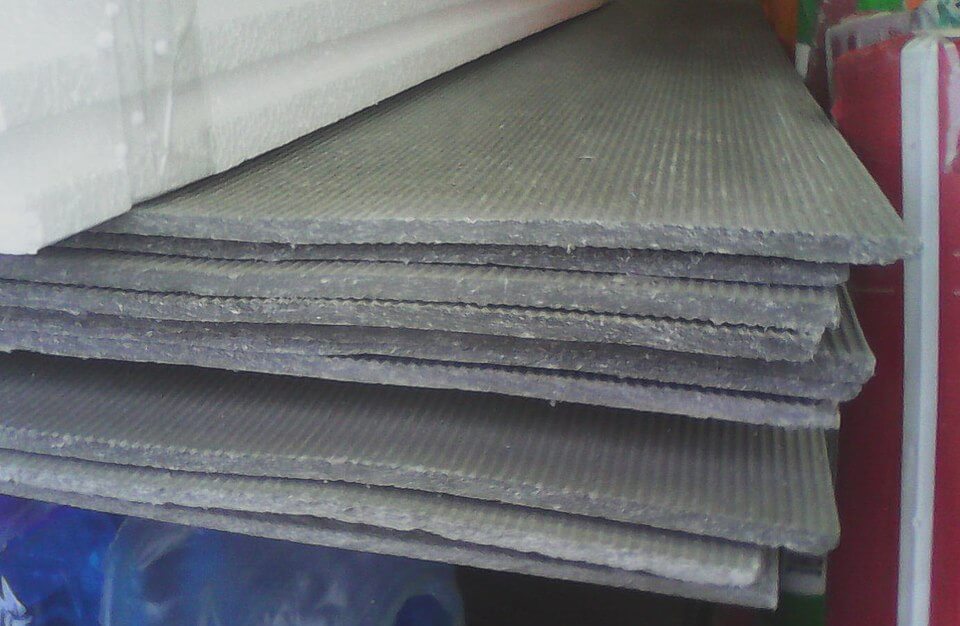
Asbestos cement sheets
Current Asbestos Waste Transport Regulations
How asbestos waste transport was regulated under ADR 2023
Under ADR 2023, asbestos was classified as a Class 9 hazardous material (miscellaneous dangerous substances and articles). While this classification is still valid in ADR 2025, the interpretation and enforcement of safety protocols under ADR 2023 left several loopholes.
Key aspects of the previous regulations included:-
- Requirement for UN number (UN 2212 or UN 2590)
- Basic packaging guidelines using sealed, labeled containers
- Standard training for drivers and handlers
- Documentation including waste transfer notes and shipping documents
However, enforcement varied by country, and many operators lacked the training or equipment to fully meet the safety expectations. Some companies cut corners, relying on substandard packaging or skipping documentation – a gamble with heavy consequences.
Common issues and compliance challenges
Despite existing laws, several recurring issues plagued asbestos-waste transport:-
- Improper labeling or misclassification of waste
- Use of non-sealed or damaged containers
- Lack of clear documentation for tracking
- Insufficient driver training specific to asbestos
- Overloading or mixing asbestos waste with other hazardous materials
These lapses not only endangered public health, but also undermined the intent of the regulations. The European Commission and UNECE received multiple reports of illegal dumps and roadside fibre releases. Hence the more stringent measures in ADR 2025.
Key Changes in ADR 2025 for Asbestos Transport
New packaging and labeling requirements
One of the most substantial changes under ADR 2025 is the overhaul of packaging standards for asbestos waste. The new rules stipulate that all asbestos waste, regardless of friability, must be:-
- Double-bagged in UN-approved, puncture-resistant bags
- Sealed with tamper-proof methods to prevent fiber escape
- Labeled with clear, multilingual hazard warnings
- Marked with the appropriate UN number and Class 9 label
Additionally, secondary containment (e.g., drums or sealed containers) must now include:-
- Rigid outer casing to prevent punctures
- Colour-coded indicators for quick visual identification
- QR-coded tracking for digital inventory and audit compliance
These changes aim to ensure that no asbestos fibres can escape during transport, handling, or transfer to disposal facilities. They also align with global hazardous material best practices.
Enhanced documentation and training mandates in ADR 2025
Documentation has always played a crucial role in the transport of hazardous materials. However, ADR 2025 significantly ups the ante for asbestos waste. In an era where traceability and accountability are paramount, the new regulations aim to close every possible loophole in paperwork and workforce preparedness.
What’s New in Documentation?
The documentation required for transporting asbestos waste must now include:-
- A detailed waste manifest listing the type, quantity, and source of asbestos
- Accurate UN number (UN 2212 for amphibole asbestos, UN 2590 for chrysotile)
- Date and time logs for each step in the collection and transportation process
- GPS-tracked transport records for digital traceability
- A Certificate of Decontamination post-transport, especially for reusable containers
This ensures that the waste trail, from generation to final disposal, is fully traceable. Authorities can now audit not only the carrier but also the source of the waste, making illegal disposal far more difficult.
Mandatory Asbestos-Specific Training
Training mandates have also been beefed up. Older ADR versions required general hazardous goods training. However, the 2025 update introduces:-
- Asbestos-specific certification programs
- Annual refresher courses
- Scenario-based training modules, including emergency fibre containment drills
- Psychological readiness assessment for those routinely exposed to asbestos scenarios
Drivers and handlers must now hold updated certifications that demonstrate not only knowledge, but hands-on competency. This helps eliminate the common issue of improperly sealed loads or poorly documented transport runs caused by undertrained staff.
These training enhancements aren’t just paperwork – they’re about saving lives. One improperly handled asbestos bag can potentially expose dozens of people. These updates ensure that everyone in the chain knows exactly what they’re dealing with and how to handle it.
Vehicle specifications and route limitations ADR 2025
Transporting asbestos waste isn’t just about the packaging and paperwork. It’s also about how and where it’s being moved. ADR 2025 introduces a new layer of control by setting out specific vehicle requirements and pre-approved route mandates for carriers.
Stricter Vehicle Standards
Under the new rules, any vehicle carrying asbestos waste must meet enhanced safety criteria:-
- Sealed cargo compartments with fibre-proof linings
- Built-in air filtration systems, including HEPA filters
- Onboard asbestos emergency kits, including masks and containment gear
- Decontamination units for personnel and small-scale spills
- Real-time GPS and geofencing systems to track route adherence
These requirements ensure that even in the event of a collision or breakdown, the risk of airborne fibre release is minimised. It also makes auditing and compliance easier for regulatory agencies, as vehicles must now be approved and registered before they can legally carry asbestos.
Designated Routes and Time Windows
Another game-changer is the enforcement of designated asbestos waste routes. These are pre-approved roadways that:-
- Avoid heavily populated urban zones
- Keep away from environmentally sensitive areas
- Allow for swift access to emergency response teams
In addition, carriers may be restricted to non-peak hours, such as early mornings or late nights, to reduce public exposure. Violating these route mandates can result in hefty fines or even license suspension.
Overall, these limitations are designed to reduce the chance of accidents in high-traffic or vulnerable areas. It’s a smart move, especially in cities where a spill could turn into a public health crisis within minutes.
Impact of ADR 2025 on Waste Transport Companies
Compliance costs and operational changes
It’s no secret that new regulations come with new costs. For asbestos waste transport companies, ADR 2025 represents a significant shift in operations, and that means time, training, and money.
Here’s a breakdown of expected operational impacts:-
- Infrastructure Investment
Companies will need to retrofit or purchase new compliant vehicles, invest in advanced GPS tracking, and install HEPA-grade air filtration systems. Each truck could cost thousands of euros or pounds more than before. - Packaging Overhaul
Firms must now stock UN-certified containers and secondary casings, all of which come at a higher price than generic hazardous waste bags. This could double or triple packaging costs for certain types of asbestos waste. - Administrative Upgrades
Digital documentation systems will be a must. Many firms are now turning to cloud-based platforms to handle the complex logs required. Software costs, staff training, and data protection policies will all need to be factored in. - Regulatory Audits
With tighter rules comes more scrutiny. Expect an uptick in unannounced audits and data checks by environmental agencies and transport authorities.
That said, while the upfront costs may be high, long-term benefits include fewer compliance violations, reduced liability, and stronger reputation among clients and regulatory bodies.
Training and certification updates
Perhaps one of the most immediate changes for transport companies is the overhaul in staff training requirements. General ADR certification is no longer enough. Employees directly involved in asbestos waste must now undergo:-
- A certified asbestos handler course (minimum 16 hours)
- Emergency response training specific to airborne particulates
- A refresher course every 12 months
- Medical evaluations to assess long-term exposure risks
Companies that skip or delay these requirements risk being blacklisted from asbestos contracts altogether. Insurance companies are also tightening their requirements and may deny coverage without proof of updated training.
In essence, ADR 2025 is nudging the industry toward a higher standard of professionalism. Less about simply moving waste from A to B, and more about handling a high-risk material with the seriousness it deserves.

Legal and Environmental Implications of ADR 2025
Stricter Penalties for Non-Compliance
With ADR 2025, regulators are no longer taking a passive stance. Violations now carry stricter and more uniformly enforced penalties across Europe. These include:-
- Fines up to €500,000 for gross negligence or illegal dumping
- Revocation of transport licenses
- Criminal prosecution in cases involving public harm or environmental damage
- Public blacklisting of companies caught repeatedly violating asbestos transport rules
Even minor infractions like missing labels or incomplete documents can now result in immediate fines. Authorities have made it clear: ignorance is no longer an excuse.
Boost in Environmental Enforcement
The environmental impact of improper asbestos disposal is massive. It can contaminate soil, water supplies, and even enter the food chain. The updated ADR includes stronger collaboration between environmental agencies and transport regulators. Now, any reported mishandling of asbestos waste can trigger:-
- Joint investigations by transport and environmental bodies
- Soil and air quality assessments at suspected sites
- Mandatory cleanup operations at the expense of the transporter
This means that every actor in the chain, from generator to final disposal, has legal responsibility for what happens to the waste.
Best Practices for ADR 2025 Compliance
Internal Audits and SOP Overhauls
Smart companies are already preparing by conducting internal audits and updating standard operating procedures (SOPs). Here’s what a proactive approach looks like:-
- Assign a compliance officer for asbestos-related operations
- Develop an asbestos-specific transport checklist
- Regularly review all training certificates and vehicle permits
- Create a response plan for accidental exposure events
These steps don’t just reduce risk, they build a culture of safety that resonates with clients and regulators alike.
Partnering with ADR Experts
Many smaller companies may not have the in-house expertise to handle ADR 2025’s complexity. That’s where external ADR consultants come in. They can:-
- Conduct mock inspections
- Offer tailored training sessions
- Help with documentation systems and vehicle specs
- Keep you updated on amendments and country-specific enforcement rules
It’s a smart investment in risk reduction and long-term reputation management.
Technology and Innovation in Asbestos Waste Transport ADR 2025
Digital Tracking and Inventory Tools
One of the most exciting developments is the encouragement of digital tools for traceability. These tools help companies:-
- Monitor asbestos loads in real-time
- Automatically log route data and driver behavior
- Create blockchain-based audit trails that can’t be altered
- Simplify paperwork with auto-filled documentation templates
Using tech not only helps with compliance, but also streamlines workflows and minimises human error.
Innovations in Containment Systems
Advanced packaging is also seeing innovation. New materials like fibre-lock plastic polymers and vacuum-sealed containers reduce the risk of micro-leakage. Some companies are even testing automated loading systems that minimise human contact during bagging and transfer.
ADR 2025 doesn’t mandate these yet, but forward-thinking firms are jumping on board, because the tech of tomorrow is fast becoming the standard of today.
Public Perception and Corporate Responsibility
Why Public Trust Matters
In an era of environmental accountability, public trust is everything. Mishandling asbestos waste, even unintentionally, can trigger a PR disaster that sinks contracts and reputation overnight. Under ADR 2025, companies are advised to:-
- Publish sustainability reports showing compliance
- Offer community updates on transport routes and safety measures
- Participate in local forums on hazardous waste management
Transparency goes a long way in maintaining trust and avoiding backlash.
Corporate Social Responsibility (CSR) Opportunities
There’s also room for companies to leverage these changes into CSR initiatives. Ideas include:-
- Hosting free asbestos awareness seminars
- Supporting asbestos screening clinics in older housing zones
- Sponsoring safe removal campaigns in underserved areas
Such moves not only enhance public goodwill but also differentiate your brand in a highly competitive market.
Preparing for Future Updates Beyond ADR 2025
ADR updates occur every two years, and ADR 2027 is already in discussion. Companies should future-proof their compliance strategies by:-
- Staying active in industry associations
- Attending UNECE workshops and webinars
- Building flexible systems that can adapt to new protocols
- Training staff in multilingual documentation standards
By preparing today, you’ll be better positioned for tomorrow’s challenges, and stay ahead of your competition.
Conclusion – ADR 2025
ADR 2025 is not just another regulatory update – it’s a watershed moment for asbestos-waste management. With tighter packaging, stricter documentation, specialised training, and clear vehicle requirements, it’s a complete overhaul that raises the bar for health, safety, and environmental responsibility.
For companies in the waste transport business, this is your call to action. Proactive compliance isn’t just about avoiding fines; it’s about protecting lives, preserving the environment, and building a reputation of integrity in a sensitive industry. The road ahead may be tougher, but it’s also clearer, safer, and more responsible.
FAQs
1. What does ADR stand for?
ADR stands for the “European Agreement concerning the International Carriage of Dangerous Goods by Road.” It’s a set of safety regulations adopted across many European countries to govern the transport of hazardous materials, including asbestos.
2. When did ADR 2025 asbestos rules come into effect?
Effective from 1 January 2025, becoming mandatory in the UK on 1 July 2025.
3. What UN numbers are used for asbestos waste?
There are two primary UN numbers:
- UN 2212 for amphibole asbestos (non-chrysotile)
- UN 2590 for chrysotile asbestos
4. Do small businesses need to comply with ADR 2025?
Yes, ADR 2025 applies to all businesses involved in the transportation of asbestos waste, regardless of size. Smaller companies may face fewer inspections but are still required to meet all standards.
5. What happens if my company is not compliant with ADR 2025?
Non-compliance can result in fines, license suspensions, and legal action. You may also be blacklisted from future asbestos contracts and lose insurance coverage.
6. How can I prepare my company for ADR 2025?
Start with an internal audit, update your SOPs, ensure all staff have the right certifications, invest in compliant vehicles and packaging, and consider working with ADR consultants to ensure full readiness.
7. Does ADR apply to sea freight?
No. ADR rules cover roads only. Maritime shipments require IMDG approval.
8. Who enforces ADR compliance?
Enforcement will be through the HSE, DVSA, and UKATA, with proactive inspections and severe enforcement tools for any violations.
Need professional advice?
We hope that you found our latest blog article both interesting and informative. If you need any help or advice in regards to asbestos in your property then we’ll be very happy to assist you. Give us a call and our experts will give you some advice and guidance on whatever if is you’re concerned about.
Please contact us on 0800 141 2676, email us at info@rbasbestos.co.uk or fill in the form below.
Our professional surveyors conduct inspections and surveys every day across the UK on all types of properties, both residential and commercial, for private home owners and commercial property Managers and owners. So when it comes to managing ACMs in your property, you’re in very safe hands with RB!!
Check out our customer reviews on Google.